
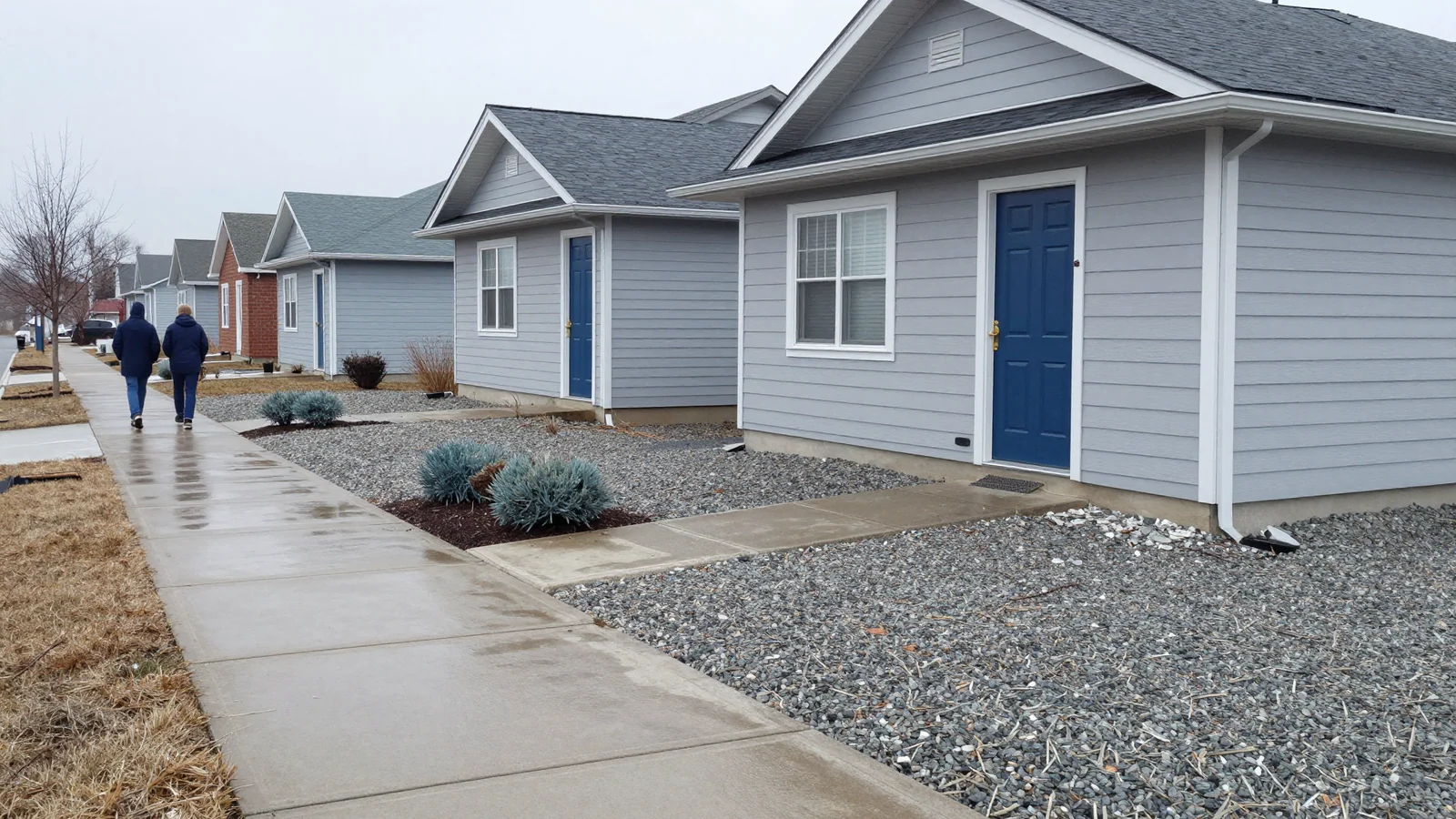
A federal consent injunction requires the Town of Beekman, New York, to permit Hudson Valley Collective to operate a sober home for women recovering from addiction. The order allows an initial five occupants including resident staff, while preserving specified safety conditions and the parties' unresolved claims.
Access, capacity and conditions
The signed order requires Beekman to permit operation during the lawsuit. Except as the injunction permits, the town cannot enforce zoning provisions that treat the home as anything other than a single-family dwelling. The United States and the home's operator continue to dispute the town's classification of the property as an alternate care facility.
DOJ describes the initial capacity as up to four residents plus an on-site staff person, potentially increasing to eight residents plus staff. The operative order instead states the controlling limit as five people including resident staff, pending state and Dutchess County determinations. Any increase must comply with those authorities' requirements and the lower occupancy limit they permit.
For the five-person stage, the order bars enforcement of specified resolution conditions concerning water, wastewater and congregate-care fire-code approvals. It still requires smoke and carbon-monoxide alarms and emergency-access key boxes before occupancy. Applicable single-family fire and sewage requirements remain. Occupants must not require custodial care and must be able to exit unaided, or the operator must ensure uninterrupted assistance for safe evacuation.
Site-plan, special-use and inspection fees must be paid by January 15, 2027. Permission to operate does not establish that these conditions have been met or that anyone has moved in.
Preliminary relief leaves liability unresolved
The town denies wrongdoing. The agreement expressly admits no liability, and the case remains active, including the town's motion to dismiss. DOJ says its zoning-classification and money-damages claims remain unresolved.
The order provides for compliance-record exchanges among the parties and, after notice, a ten-business-day opportunity to cure noncompliance before the requesting party seeks court relief. Those provisions do not create a public right to residents' records.
A useful public contribution would be a nonprivate compliance record, or a source-backed review explaining which remaining permit conditions govern opening and expanded occupancy. Residents' identities, health information and private files are unnecessary to examine those requirements.
The order and announcement have different dates
The attached court document is dated and filed October 28, 2026. DOJ's October 29 announcement describes the injunction as signed that day. The date used here comes from the signed order; the announcement's wording is not silently substituted for it.